
Packing a nutritious lunch for preschoolers can feel like a daunting task. Between picky eaters, limited prep time, and the desire to provide balanced meals, parents often struggle to create lunches that are both appealing and wholesome. However, with a little creativity and planning, lunchtime can become an exciting opportunity to introduce your child to a variety of flavors and nutrients. Here’s a comprehensive guide to healthy lunch ideas for preschoolers, complete with tips, meal suggestions, and strategies for making mealtime fun.
Why Healthy Lunches Matter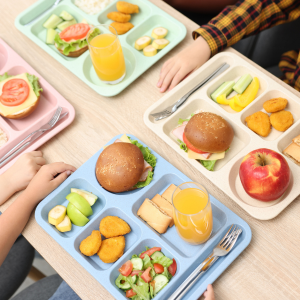
Preschool is a critical time for growth and development. Children at this age are developing cognitive skills, refining motor abilities, and building immune systems. Nutrition plays a pivotal role in all these areas:
-
Energy for Learning and Play – Balanced lunches help maintain steady energy levels throughout the day, supporting concentration and active play.
-
Brain Development – Nutrients like omega-3 fatty acids, iron, and vitamins aid in cognitive development and memory formation.
-
Establishing Healthy Habits – Introducing a variety of fruits, vegetables, whole grains, and proteins early encourages lifelong healthy eating patterns.
Focusing on a well-rounded lunch ensures that children are not only fueled but also gaining exposure to diverse tastes and textures.
Core Components of a Balanced Preschool Lunch
A nutritious preschool lunch should include a mix of these components:
-
Proteins – Essential for growth and repair. Include lean meats, eggs, beans, tofu, or cheese.
-
Whole Grains – Provide lasting energy. Opt for brown rice, whole wheat bread, or whole-grain pasta.
-
Fruits and Vegetables – Rich in vitamins, minerals, and fiber. Aim for a rainbow of colors.
-
Healthy Fats – Support brain development. Examples include avocado, nut butters, and olive oil.
-
Dairy or Dairy Alternatives – Help strengthen bones. Offer milk, yogurt, or fortified plant-based options.
By including these elements, you create a lunch that supports growth, immunity, and focus while encouraging healthy eating habits.
Creative and Fun Lunch Ideas for Preschoolers
Preschoolers are more likely to eat foods that look colorful, playful, and familiar. Here are some creative lunch ideas that strike a balance between nutrition and fun:
1. Mini Sandwiches and Wraps
Small sandwiches and wraps are easy for little hands to manage. Use whole-grain bread or tortillas, and fill them with options like :
-
Turkey and avocado
-
Hummus and shredded veggies
-
Cream cheese with cucumber slices
Cutting sandwiches into fun shapes using cookie cutters can make lunchtime more enjoyable and encourage children to try new ingredients.
2. Bento-Style Lunchboxes
Bento boxes are perfect for offering variety and portion control. Include small sections with:
-
Cubes of cheese
-
Cherry tomatoes and cucumber sticks
-
Sliced fruit such as apples, pears, or berries
-
A boiled egg or mini meatballs
The compartmentalized layout keeps foods visually appealing and prevents them from mixing, which can be helpful for picky eaters.
3. DIY Lunchables
Create homemade versions of popular packaged lunch kits. Include:
-
Whole-grain crackers
-
Lean protein slices (like chicken or turkey)
-
Veggie sticks and dip
-
Small fruit portions
DIY lunchables are healthier, free from excess sodium and preservatives, and allow children to assemble their own lunch, making it interactive.
4. Wraps and Pinwheels
Spread hummus, cream cheese, or nut butter on a whole-grain tortilla, layer with veggies or fruit, and roll tightly. Slice into pinwheels for a fun presentation. Popular combinations include:
-
Spinach, turkey, and cheese
-
Peanut butter and banana
-
Cream cheese with shredded carrots
Pinwheels are visually appealing and offer a balanced mix of carbs, protein, and healthy fats.
5. Simple Pasta or Grain Bowls
Grain bowls are easy to prepare in advance and customizable. Use brown rice, quinoa, or whole-grain pasta, then add:
-
Protein: diced chicken, beans, or tofu
-
Veggies: steamed broccoli, peas, or bell peppers
-
A drizzle of olive oil or a mild dressing
Grain bowls allow children to explore textures and flavors while ensuring balanced nutrition.
Tips for Making Lunches More Appealing
Even the healthiest lunch can be rejected if presented in an unappealing way. Try these strategies to increase acceptance:
-
Involve Children in Preparation – Letting kids help wash vegetables, arrange items, or assemble sandwiches encourages ownership and excitement.
-
Use Color and Variety – A colorful plate attracts children’s attention and ensures a mix of nutrients.
-
Keep Portions Small – Overwhelming portions can discourage children from eating. Small, manageable amounts work best.
-
Introduce New Foods Slowly – Pair unfamiliar items with favorites to gradually expand tastes.
-
Make it Fun – Use cookie cutters, colorful containers, and creative presentations to make meals playful.
Quick and Nutritious Snacks to Complement Lunch
Preschoolers often need a mid-morning or afternoon boost. Healthy snacks should complement lunch and maintain energy levels:
-
Fresh fruit slices (apple, pear, or melon)
-
Yogurt with a sprinkle of granola
-
Veggie sticks with hummus or guacamole
-
Whole-grain mini muffins with added fruits or veggies
-
Cheese cubes or string cheese
Incorporating snacks ensures children receive consistent nutrients throughout the day, supporting sustained focus and growth.
Practical Meal Planning for Busy Parents
Balancing work, chores, and childcare leaves little time for daily meal prep. Here are strategies to simplify healthy lunch planning:
-
Batch Prep Ingredients – Wash and cut fruits and vegetables, cook grains, and prepare proteins in advance for easy assembly.
-
Create a Lunch Calendar – Rotate meals to avoid repetition and reduce last-minute stress.
-
Use Leftovers Wisely – Leftover grilled chicken, roasted veggies, or rice can be repurposed into lunchboxes.
-
Invest in Quality Containers – Leak-proof, compartmentalized boxes keep meals organized and reduce mess.
A little planning can make healthy lunches feel effortless rather than overwhelming.
Providing nutritious and appealing lunches for preschoolers is both achievable and rewarding. By focusing on balance, variety, and presentation, parents can ensure their children receive the energy and nutrients needed for growth, learning, and play. Incorporating colorful fruits and vegetables, whole grains, lean proteins, and healthy fats nurtures both the body and the developing taste buds, setting the stage for lifelong healthy eating habits.
Bumble Bee Nursery, Villa 3 & 4, Burj Khuzam Street, Al Ramla, Sharjah — behind the Sharjah Red Crescent Society. Call 06 522 8461 or WhatsApp 050 929 0452.